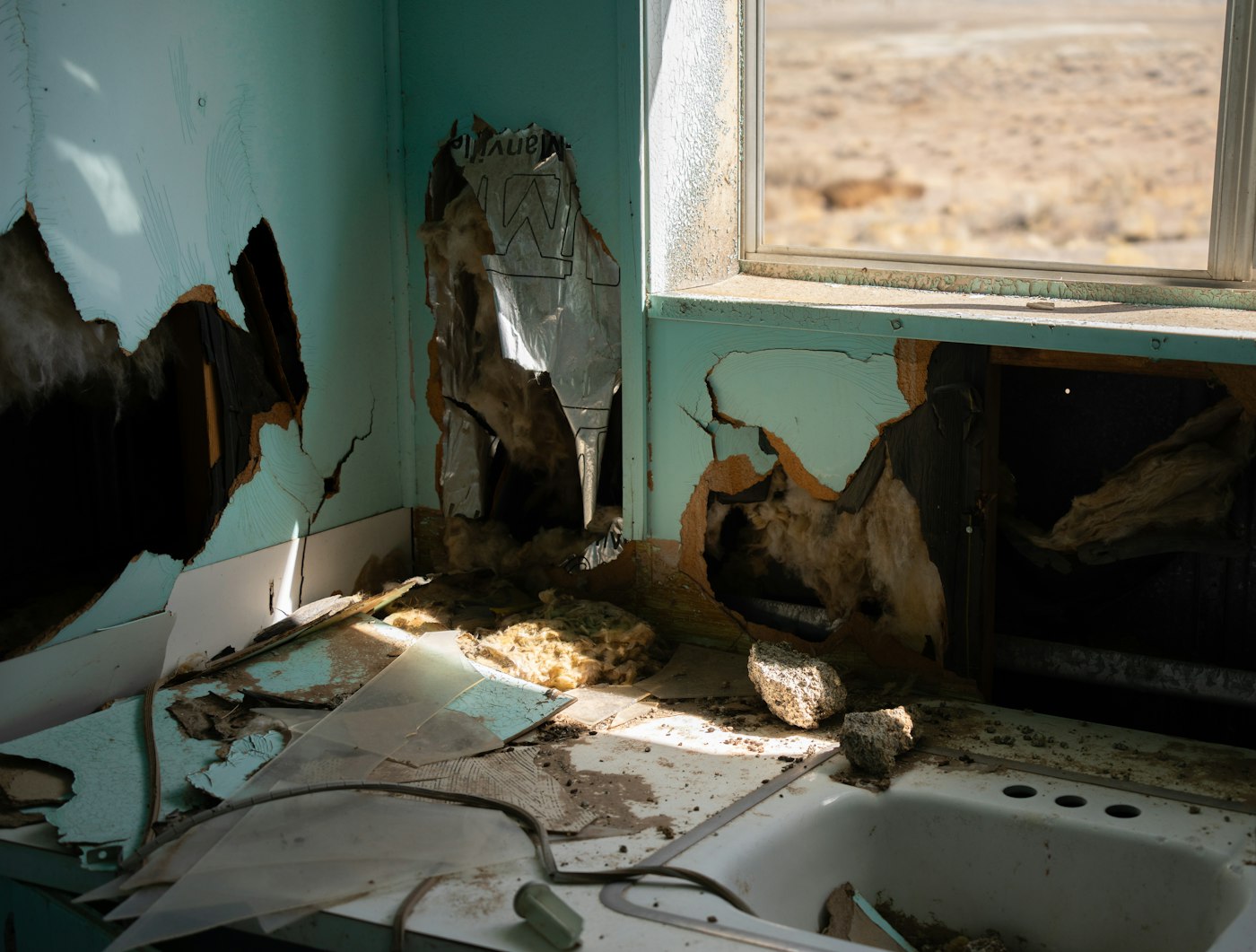
Water damage cleanup in Lamesa homes
Most homes in Lamesa sit on a concrete slab or a pier-and-beam foundation, and very few have basements. That changes where the water goes:
- Slab homes: water spreads under flooring and wicks up drywall and baseboards. Laminate and engineered wood often trap it.
- Pier-and-beam homes: water runs through the subfloor into the crawl space, where it can sit unseen for weeks.
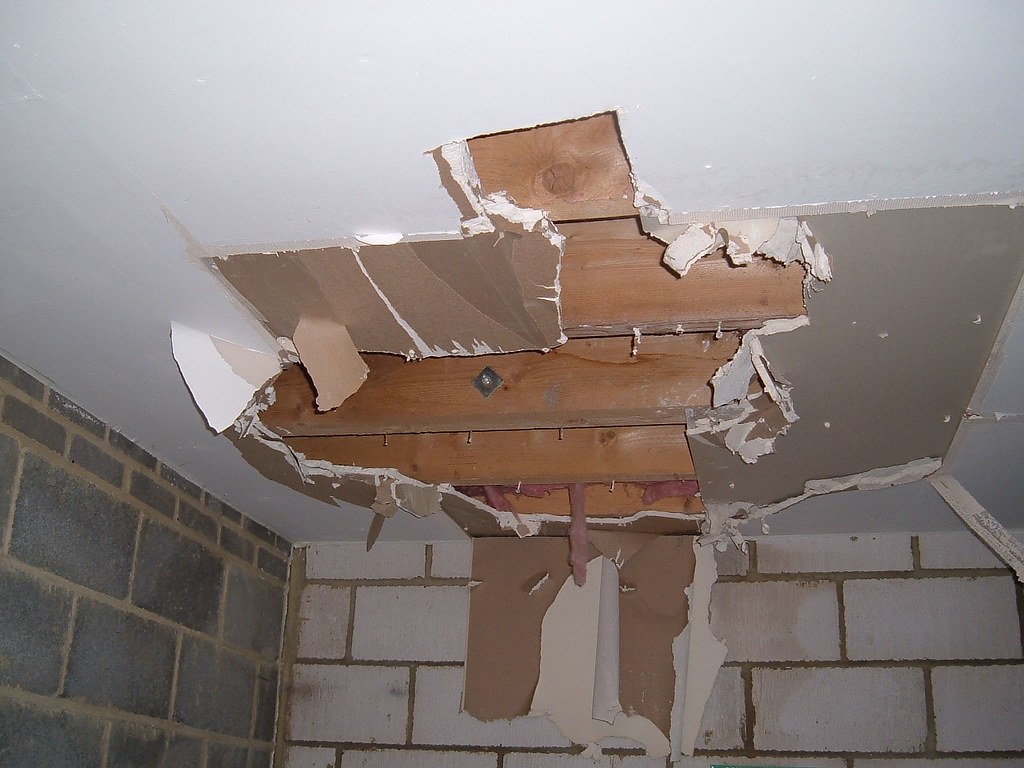
- Swamp coolers and AC lines: overflow and drain-line clogs are common summer ceiling leaks in West Texas.
Tell the provider which type of house you have. It decides the equipment they bring.
What to do before help arrives
- Stop the water at the main shut-off or the fixture’s valve, if you can do it safely.
- Turn off power to wet rooms at the breaker. Never stand in water to do it.
- Take photos and video of every wet room before anything is moved.
- Move rugs, furniture and electronics off wet floors.
- Stay out of sewage or floodwater.
What shapes the work on site
Every job depends on how much water there is, how long it sat, the water category (clean, grey or sewage), how much flooring or drywall must come out, and how many days of drying equipment are needed. The expert we connect you with checks moisture on site and explains next steps before work starts.
Insurance
Many homeowner policies cover sudden water damage, like a burst pipe, but not gradual leaks or outside flooding without flood insurance. Your insurer decides coverage. The expert can share photos, moisture readings and documentation of the damage and repairs for you to give your insurer. See the water damage and insurance guide.