Emergency Water Removal & Water Extraction in Lamesa, TX

Standing water does more damage every hour it sits. One call and we connect you with a local expert for emergency water removal and water extraction in Lamesa, Texas and across Dawson County. They pump out the water, pull it from carpet and pad, and set up drying so the damage stops spreading.

24/7 and same-day help depend on expert availability in your area.

Emergency checklist

  1. Shut off the water at the main valve or the fixture.
  2. Switch off power to wet rooms at the breaker, never while standing in water.
  3. Photograph every wet room before you move anything.
  4. Lift furniture, rugs and electronics off the floor.
  5. If the water came from a toilet, drain or outside flooding, stay out of it.

When you need emergency water removal

Call for water extraction when water is standing on the floor, carpet squishes underfoot, or water has run under walls or cabinets. Common Lamesa situations:

  • A supply line or pipe splits after a hard freeze and floods a kitchen or hallway.
  • A water heater tank fails in a garage or utility closet.
  • A washing machine hose bursts or a dishwasher overflows.
  • Flash flooding or storm runoff pushes water under exterior doors.
  • A slab leak soaks flooring from below.
  • A sewer line backs up through a floor drain or toilet.

If the water is from a sewer backup or outside flooding, see sewage backup cleanup or flood damage restoration as well.

Flooded house: what to do in the first hour

The first hour decides how much you will have to tear out later.

  • Stop the source. Close the main shut-off valve, usually near the street meter or where the line enters the house. For a water heater, close the cold-water valve on top of the tank.
  • Make it safe. Turn off breakers for wet rooms. If the panel is in a wet area, wait for help.
  • Document it. Take wide photos of each room, then close-ups of the water line on walls, flooring and belongings.
  • Protect what you can. Put foil or wood blocks under furniture legs. Hang rugs and curtains off the floor.
  • Don’t use a household vacuum on standing water. It is an electrical hazard and won’t reach water in the pad and subfloor.
  • Call early. Providers can plan the right equipment before they arrive if you tell them the source, the rooms and the floor type.

How water extraction works

Emergency water extraction is the first stage of every water damage job. The expert we connect you with usually works in this order:

  1. Inspection. The technician finds the source, sets the water category and maps wet areas with moisture meters and, often, a thermal camera.
  2. Pumping. Deep standing water is removed with submersible pumps.
  3. Extraction. Truck-mounted or portable extractors pull water out of carpet, pad, tile grout and slab surfaces. Weighted extraction tools press water out of carpet pad.
  4. Removal of unsalvageable materials. Soaked pad, swollen particleboard and wet drywall below the water line may be cut out so the structure can dry.
  5. Drying setup. Air movers and dehumidifiers go in, and moisture is checked daily until materials are dry. See water mitigation and drying.

How long water extraction takes

Extraction itself usually takes a few hours for one or two rooms. Drying takes longer. Most homes need three to five days of equipment, and wet wall cavities or a soaked slab can take more. The provider confirms the job is finished with meter readings, not by how the floor feels. The EPA advises drying water-damaged materials within 24–48 hours to prevent mold, which is why extraction should start as soon as possible.

Emergency water cleanup by type of water

The industry standard (IICRC S500) sorts water into three categories, and each needs different cleanup. Clean water turns grey or black if it sits for a day or two, so speed matters even with a burst supply line.

1

Clean

Typical source: supply line, water heater, frozen pipe.

Extract and dry; most materials can be saved if handled fast.

2

Grey

Typical source: washing machine, dishwasher, AC overflow.

Extract, clean and disinfect; carpet pad usually goes.

3

Black

Typical source: sewage, toilet backup, outside floodwater.

Protective gear, removal of porous materials, disinfection.

Water extraction services for Lamesa homes

Lamesa homes are mostly slab-on-grade or pier-and-beam, and very few have basements. On a slab, water runs under laminate, vinyl plank and tack strip, and wicks up baseboards and drywall. On pier-and-beam, it drains through the subfloor into the crawl space. Tell the provider which you have so they bring the right tools.

Heavy local storms can put water into many homes at once. On 26 June 2021, Lamesa’s mayor said the town got “right at four inches in 23 minutes,” with multi-million-dollar damage countywide (KCBD). After events like that, calling early helps you get on a provider’s schedule.

What shapes water extraction on site

Every job depends on how much water there is and how long it sat, the water category, the floor type, how much pad, flooring or drywall must come out, and how many days of drying equipment are needed. Grey and sewage water usually need more disinfection and disposal steps. The expert checks moisture on site and explains next steps before work starts.

Insurance

Sudden water damage, such as a burst pipe or failed water heater, is covered by many homeowner policies. Gradual leaks and outside flooding often are not unless you carry flood insurance. Your insurer decides coverage. Participating providers can share photos, moisture readings and documentation of the damage and repairs for you to give your insurer. More in the water damage and insurance guide.
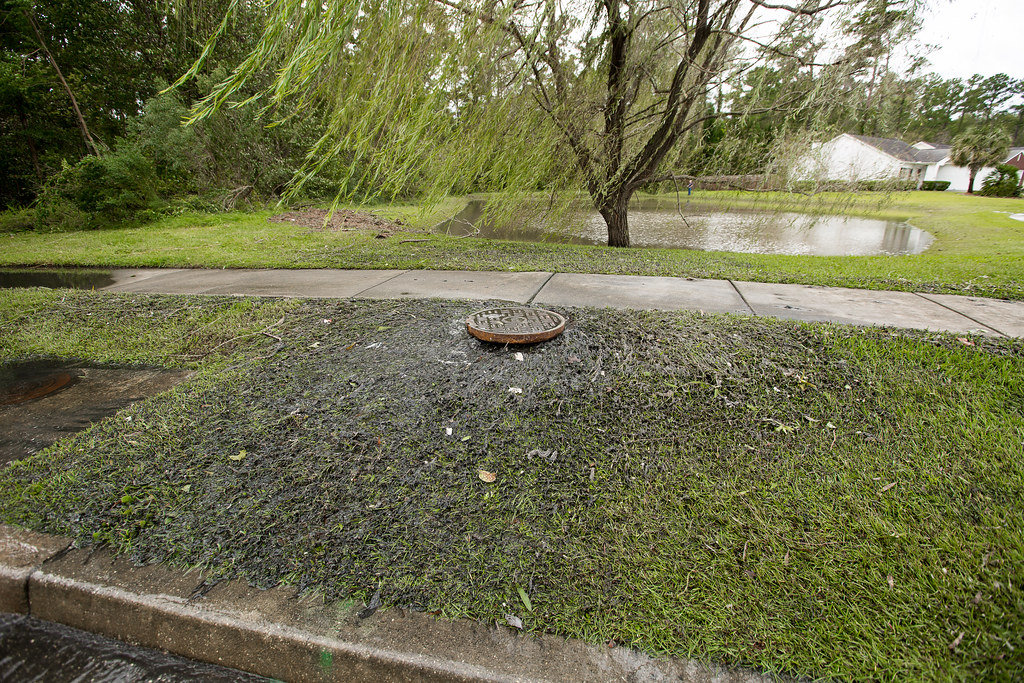
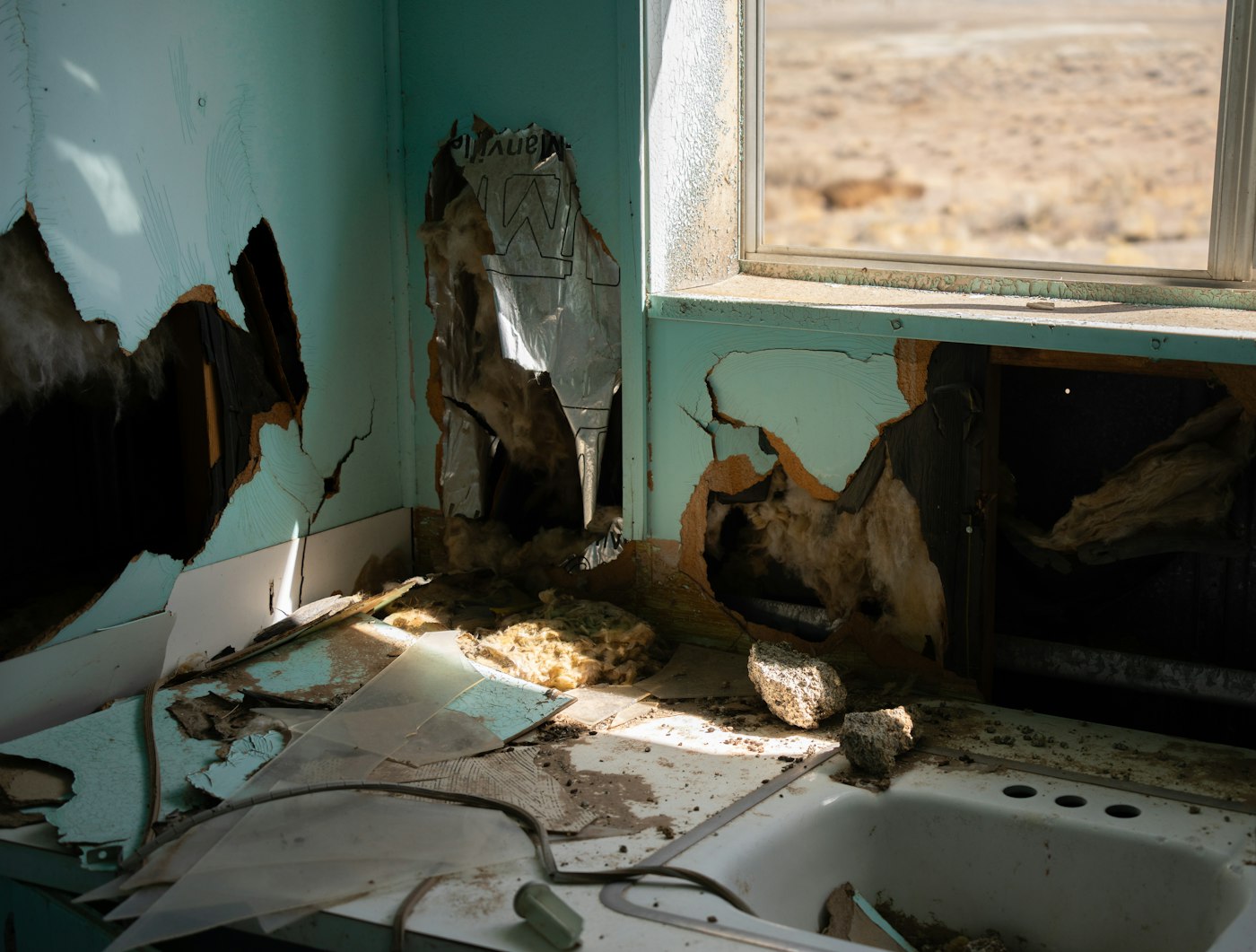
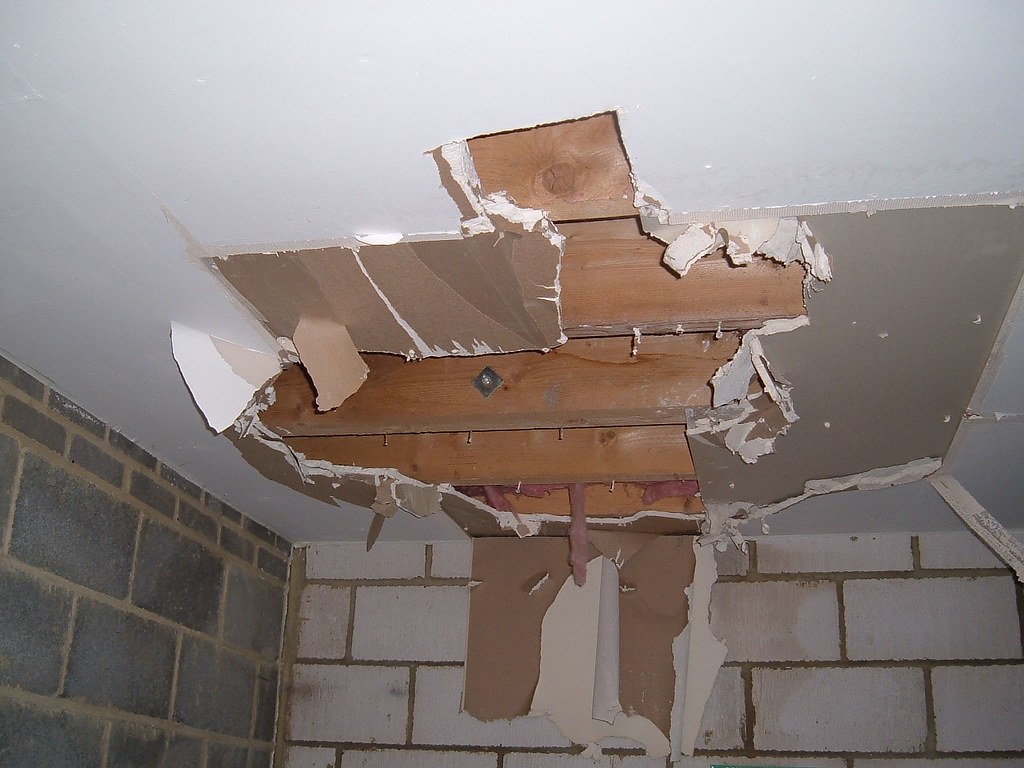
Examples of extraction and standing-water damage

Photos of flooding and post-water teardown situations relevant to West Texas homes.

Standing floodwater near a residential street that needs emergency water extraction in Lamesa
Standing water that needs emergency extraction
Kitchen wall opened after water intrusion for drying in a Lamesa slab home
Materials opened after water is removed
Ceiling drywall collapsed after severe water damage
Hidden saturation that extraction and drying must address

Water extraction FAQs

How fast should standing water be removed?

As soon as it is safe. The EPA recommends drying wet materials within 24 to 48 hours to prevent mold. Every hour of standing water pushes moisture deeper into carpet pad, drywall and the slab, which means more material to remove later and a longer drying job.

Can I extract the water myself with a wet vac?

A shop vac helps with a small, clean spill. It can’t pull water from carpet pad, under flooring or inside walls, and it can’t tell you when materials are dry. For more than one room, or any sewage or floodwater, professional water extraction and moisture readings are the safer choice.

Will my carpet have to be replaced?

Often the carpet can be saved after clean-water leaks if extraction starts quickly. The pad underneath usually soaks up the most water and is commonly replaced. Carpet touched by sewage or outside floodwater is normally removed because it can’t be reliably disinfected.

Do providers handle sewage or floodwater extraction?

Many do, but Category 3 water needs protective equipment, disinfection and safe disposal. Tell the provider where the water came from when you call so they can confirm they handle it and bring the right gear. Keep children and pets out of the area until it is cleaned.

How long will drying fans run after extraction?

Most homes need three to five days of air movers and dehumidifiers. Wet wall cavities, cabinets or a saturated slab can take longer. The provider should check moisture readings daily and only remove equipment once the readings reach normal levels for each material.

Is this the company that does the work?

No. We're a free service that connects you with independent local experts. The expert who answers inspects and does the work. Confirm their license and insurance before work begins.

Need emergency water removal in Lamesa?

Call now and we'll connect you with a local water damage expert. Calls may be recorded for quality and dispatch.