Flood Restoration & Flood Damage Cleanup in Lamesa, TX

Intense West Texas storms can send flash-flood water and runoff into Lamesa homes within minutes. One call and we connect you with a local expert for flood water removal, contaminated cleanup and structural drying across Dawson County, so moisture stops spreading under floors and into walls.

24/7 and same-day help depend on expert availability in your area.

Flash flooding history around Lamesa

In 2026, flash flood warnings from the National Weather Service in Midland/Odessa named Lamesa on October 30. Earlier verified events show how fast water can overwhelm streets and slab-home entries:

  • June 26, 2021: Lamesa’s mayor reported roughly four inches of rain in 23 minutes, with multi-million-dollar damage countywide (KCBD). Some areas saw sewage-contaminated floodwater indoors. See also the NWS Midland flood write-up.
  • May 29, 2025: National Weather Service surveys confirmed EF-1 tornadoes in the region alongside severe storms that drove hail and heavy rain through West Texas (KCBD).
  • October 30, 2026: The National Weather Service in Midland/Odessa issued a flash flood warning for Dawson and Gaines counties after 1 to 2 inches of rain. Lamesa, Welch, Los Ybanez and Seminole were on the list of places expected to flood.

After events like these, many homes need flood restoration at once. Call as soon as it is safe so we can connect you with a local expert while roads are still passable.

Safety first after a flood

  • Stay out of rooms where water touches outlets, cords, or the electrical panel.
  • Treat water from streets, yards, or ditches as contaminated until a provider classifies it.
  • Shut off power to wet areas at the breaker only if you can reach the panel without standing in water.
  • Photograph each affected room and the high-water line on walls before you move belongings.
  • Keep children, pets, and anyone with health sensitivities away from floodwater and wet porous materials.

What flood restoration involves

Outdoor floodwater is usually handled as Category 3 under the IICRC S500 standard. The expert we connect you with usually works through these steps:

  1. Safety and assessment. Confirm electrical hazards are controlled, classify the water source, and map wet areas with moisture meters.
  2. Water and debris removal. Pump out standing water and mud, and bag wet contents that cannot be cleaned.
  3. Tear-out of unsalvageable materials. Remove soaked carpet, pad, lower drywall, insulation, and particleboard that absorbed contaminated water.
  4. Cleaning and disinfection. Scrub and treat hard surfaces, studs, and subfloors exposed after tear-out.
  5. Structural drying. Set air movers and dehumidifiers, and monitor moisture daily. See water mitigation and drying for what that phase looks like.
  6. Verification before rebuild. Confirm meter readings are back to normal for each material before cabinets, flooring, or drywall go back in.

Flood restoration starts with emergency water extraction. If sewage mixed with the flood, also see sewage backup cleanup.

How flood damage shows up in Lamesa homes

Most homes in Lamesa and Dawson County are slab-on-grade or pier-and-beam—not basement construction. That changes where flood damage appears:

  • Slab homes: Water runs under laminate, vinyl plank, and tack strip, wicks up baseboards and lower drywall, and can soak the slab edge. Cabinets and bathroom vanities often swell first.
  • Pier-and-beam homes: Water drains through gaps in the subfloor into the crawl space, wetting joists, insulation, and ductwork. Musty crawl-space odors can linger after the main floor looks dry.

Tell the provider your foundation type, which rooms took water, and whether mud or silt came in with the flood. That helps them plan extraction, tear-out, and drying equipment before they arrive.

Choosing among flood restoration companies

After a flash flood, multiple contractors may offer help. Before you hire anyone who responds to your call, ask clear questions about scope and credentials:

  • Does their plan include water removal, tear-out of wet materials, disinfection for Category 3 water, and a stated number of drying days with daily moisture checks?
  • Will they document the job with photos and meter readings you can share with your insurer?
  • Are they licensed and insured for water damage work in Texas, and can they show proof?
  • Do they follow IICRC S500 guidelines for contaminated floodwater?
  • Who performs rebuild work after drying—the same company or a separate contractor you choose?

We connect you with an independent local expert; that company does the restoration work. Verify license and insurance with the company you hire.

Flood insurance and documentation

Standard homeowners insurance often covers sudden indoor leaks but excludes damage from outside flooding, rising water, or storm runoff entering through doors and walls. Coverage for that type of loss usually requires a separate flood policy through FEMA’s National Flood Insurance Program (NFIP) or a private flood insurer. Your carrier decides what is covered.

Strong documentation helps any claim you file:

  • Wide and close-up photos of each room, including the water line on walls and wet contents.
  • Notes on when the flood started, the water source, and which rooms were affected.
  • Moisture readings and daily drying logs from the provider, if available.
  • Receipts for emergency services, temporary lodging, or replacement of essential items.

The expert can supply photos and drying records for your file. For broader coverage questions, see the water damage and insurance guide.

Examples of flood and storm-water damage

Photos of flooding and interior teardown situations relevant to flash-flood risk around Lamesa.

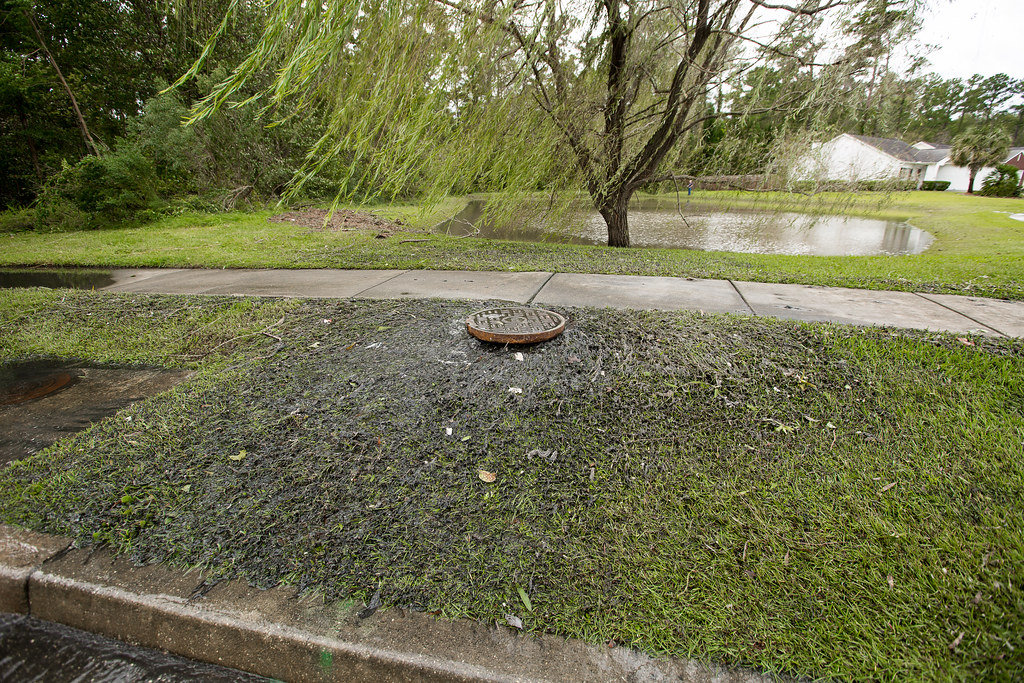
Standing floodwater near homes after a severe storm
Standing water after intense rainfall
Heavy rain during a West Texas storm that can cause flash flooding in Lamesa
Storm rainfall that drives flood calls
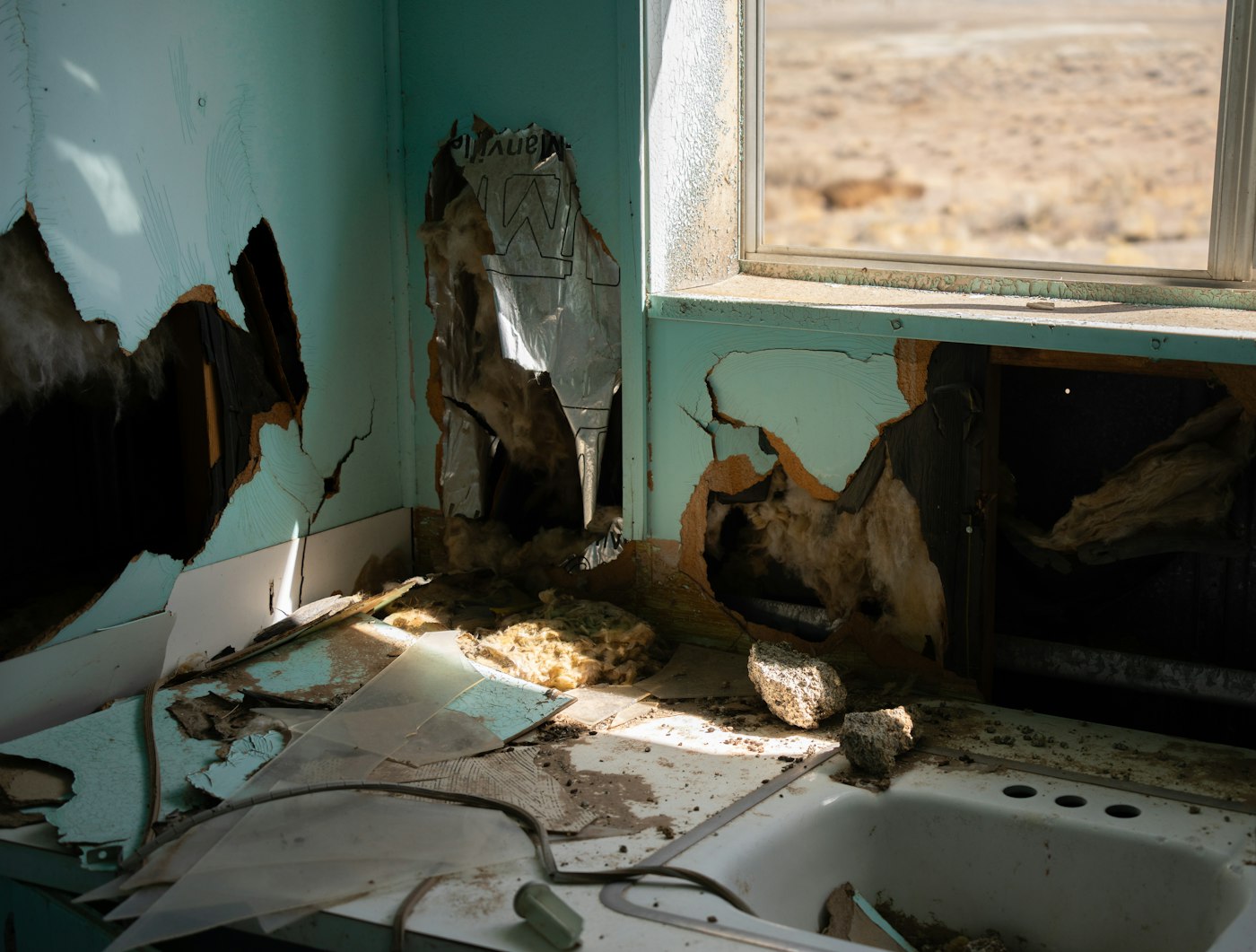
Kitchen opened for drying after flood water entered a Lamesa slab home
Interior cleanup after flood intrusion

Flood restoration FAQs

Is floodwater always contaminated?

Outside floodwater is treated as Category 3 water because it can carry sewage, fuel, fertilizer and soil bacteria. Porous materials it touches, like carpet, pad and drywall, are usually removed rather than dried. Describe where the water came from when you call so the provider brings protective gear and disinfectant.

How soon should flood cleanup start?

As soon as the water has stopped rising and the house is safe to enter. The EPA advises drying water-damaged materials within 24 to 48 hours to prevent mold. After a big storm, providers get busy quickly, so calling early helps you get on the schedule.

Do Lamesa homes have basements that flood?

Very few do. Most homes in Lamesa are slab-on-grade or pier-and-beam. Flood damage here usually affects flooring, lower walls, cabinets and crawl spaces, and it can trigger sewer backups through floor drains during heavy rain.

Does homeowners insurance pay for flood restoration?

Usually not for outside floodwater. FEMA notes most homeowners policies don’t cover flood damage; that needs a separate flood policy. Water from a burst pipe or storm-damaged roof may be treated differently. Your insurer decides, so call your agent and keep photos and moisture readings.

When is flash flood season in Lamesa?

Heavy storms usually peak from April through June, with May often the busiest for hail. Flash floods can still happen in any month: on 30 October 2026 the National Weather Service in Midland/Odessa warned of flash flooding for Dawson and Gaines counties, including Lamesa, Welch, Los Ybanez and Seminole.

Need flood restoration in Lamesa?

Call now and we'll connect you with a local water damage expert. Calls may be recorded for quality and dispatch.