Water Mitigation & Structural Drying in Lamesa, TX

The water is gone, but the walls, slab and subfloor are still wet. Water mitigation stops the damage from spreading: it removes the water and dries the structure before anything is rebuilt. One call and we connect you with an independent local expert for water mitigation in Lamesa, Texas and across Dawson County.

24/7 and same-day help depend on expert availability in your area.

Water mitigation vs restoration

Water mitigation is the emergency stage: stop the source, remove water, take out what can’t be saved and dry the structure. Its goal is to prevent more damage.

Water restoration is everything after that: repairing drywall, flooring, cabinets and paint so the home is back to normal.

Mitigation always comes first. Rebuilding over a damp wall or slab traps moisture, and the EPA advises drying water-damaged materials within 24–48 hours to prevent mold. If standing water is still present, start with emergency water extraction before drying.
When you need water mitigation

  • After water extraction, when floors still feel cool, soft or damp.
  • After a burst pipe, slab leak or water heater leak that soaked walls or cabinets.
  • When a room smells musty days after a leak.
  • When paint bubbles, baseboards swell or flooring cups.
  • Before an insurance adjuster or contractor starts repairs, so readings show the structure is dry.

How structural drying works

The expert we connect you with usually works through these steps after the bulk water is removed:

  1. Moisture mapping. The technician uses moisture meters and often a thermal camera to find wet areas, including inside walls and under flooring.
  2. Removing what traps water. Wet carpet pad, swollen baseboards or the bottom of drywall may be removed so air can reach the framing.
  3. Setting up equipment. Air movers push air across wet surfaces; commercial dehumidifiers pull that moisture out of the air. Wall-cavity drying systems or floor mats may be used for walls and hardwood.
  4. Daily monitoring. Readings are taken every day and equipment is moved as areas dry.
  5. Sign-off. Equipment comes out only when readings match dry reference materials in the same home.

Drying a house in West Texas

Lamesa’s dry air helps, but it doesn’t replace proper equipment. Water held inside drywall, a slab or a cabinet base won’t evaporate fast enough on its own, and mold can start before it does. Two local tips:

  • Turn off a swamp cooler (evaporative cooler) during drying. It adds humidity to the house, which slows drying.
  • Keep windows closed unless the provider asks otherwise. The dehumidifiers work best in a closed space.

How long drying takes

Most homes dry in three to five days. Saturated slabs, wall cavities, hardwood and cabinets can take longer. The provider should show you daily readings and explain what is still wet.

Insurance

Policies generally expect you to take reasonable steps to prevent further damage after a covered loss, and mitigation is that step. Your insurer decides coverage. Participating providers can share photos, moisture readings, drying logs and documentation of the damage and repairs for you to give your insurer. More in the water damage and insurance guide.

Examples of structural drying and mitigation

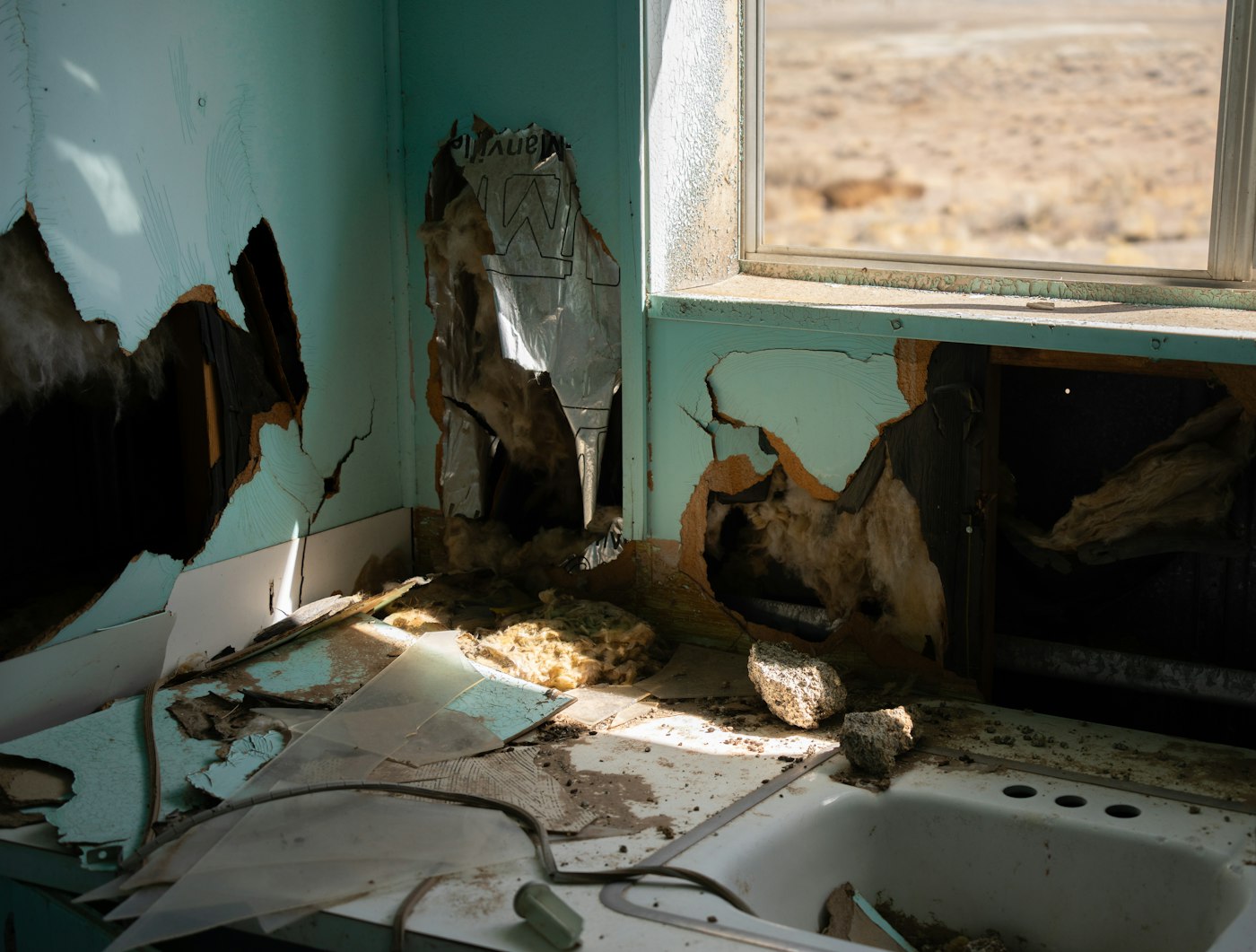
Photos of opened materials, drying equipment and teardown prep relevant to Lamesa slab and pier-and-beam homes.

Construction area during structural drying and water mitigation in Lamesa, TX
Open cavities during the drying phase
Kitchen wall opened after water intrusion for structural drying in a Lamesa home
Materials opened so air reaches wet framing
Commercial dehumidifier used during water mitigation drying in West Texas
Dehumidifiers pull moisture from the air

Water mitigation FAQs

What is the difference between water mitigation and water restoration?

Water mitigation is the emergency work that stops damage from spreading: water removal, tear-out of soaked materials and drying. Water restoration is the repair work afterwards, like new drywall, flooring and paint. Mitigation comes first, because repairs over a wet structure can trap moisture and lead to mold.

How long does it take to dry a house after water damage?

Most homes need three to five days of air movers and dehumidifiers. A soaked slab, wall cavities, hardwood or cabinets can take longer. The job is done when moisture readings match dry materials elsewhere in the home, not when the surface feels dry.

Can I dry it myself with fans and a household dehumidifier?

For a small clean spill caught right away, sometimes. Household units remove far less water than commercial dehumidifiers, and without a moisture meter you can't tell when walls and subfloor are really dry. For more than one room or any wet wall, professional drying is safer.

Do I need to leave the house during drying?

Usually not. The equipment is noisy and warm, and you may want to avoid the rooms being dried. Sewage or floodwater jobs are different: stay out of affected areas until they are cleaned and disinfected, especially with children, older adults or anyone with breathing problems.

Why does my house still smell musty after a leak?

A musty smell usually means moisture is still trapped in walls, under flooring or in the crawl space, and mold may be starting. Ask for moisture readings. If mold is found, Texas requires a TDLR-licensed contractor for remediation; see mold remediation.

Need water mitigation in Lamesa?

Call now and we'll connect you with a local water damage expert. Calls may be recorded for quality and dispatch.